Adventure travel sells experiences, and experiences are described with words: the difficulty of a trail, the mood of a mountain hut, the instructions for a safe descent. When a brand welcomes guests from several countries, those words must work in every language. Without a plan, translated content quickly becomes inconsistent, outdated or even unsafe.
Why adventure content is special
Route descriptions, equipment lists and safety briefings mix emotional storytelling with precise information. A beautiful sentence about sunrise on a ridge sits next to a warning about weather and altitude. Each type of text needs a different approach, and mistakes in the practical parts can have real consequences for travellers.
What localization management covers
Good localization management is the coordination of people, tools and content so that every language version stays accurate. It includes planning, translation, review, publishing and updates, and it treats language as an ongoing operation rather than a one-time project.
Centralising the content
Many travel companies keep texts in website pages, booking systems, PDFs and printed brochures. Collecting them in one place lets teams see what exists and what needs translation. A cloud-based translation management system makes this possible without complex installations, and lets remote guides and translators work together.
Safety information comes first
Instructions about equipment, weather limits, emergency contacts and fitness levels must be flawless. Assign experienced reviewers to these texts and keep an approved version of each safety phrase. Reusing verified wording is safer than inventing new sentences each season.
Naming places and routes consistently
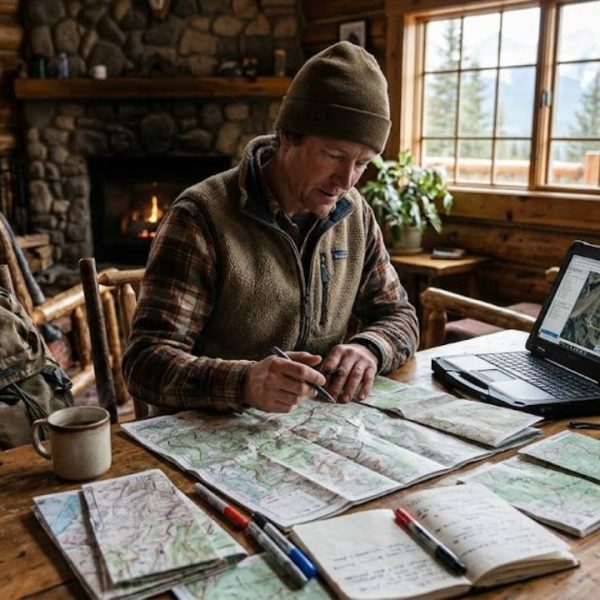
Local place names, trail numbers and hut names often appear in several spellings. Decide which form to use in each language and record it in a glossary. Travellers who use printed maps or navigation apps need to recognise the same names in your descriptions as they will see on the ground.
Seasonal updates
Conditions change with the season, and so do offers, prices and opening times. When an update is made in the original text, only the changed sentences should go back for translation. A system that remembers previous work keeps updates fast, and prevents old information from lingering in a language nobody checks.
Industry standards and guidance
Organisations such as the Adventure Travel Trade Association share resources on responsible operation and customer communication. Aligning your multilingual content with recognised standards helps build trust, especially with international guests who may be unfamiliar with local regulations.
Telling the story in each market
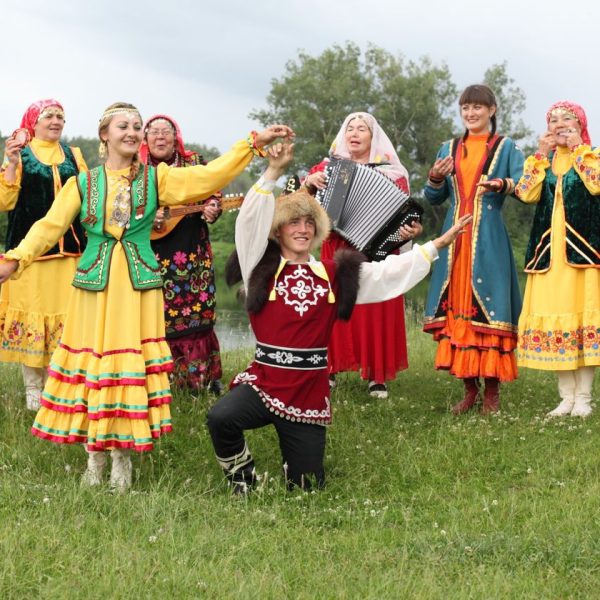
Different audiences value different aspects of an experience. One market may care about comfort, another about challenge or sustainability. Adapt the emphasis, imagery and examples where it makes sense, while keeping facts identical, so that each version feels natural without contradicting the others.
Working with local guides
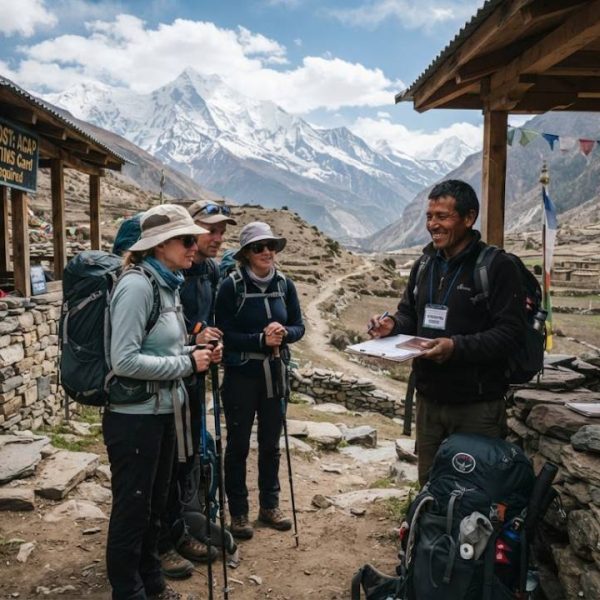
Local guides know details no desk-based translator can verify, such as which path becomes impassable after rain. Invite them to review route descriptions and add comments directly in the shared workspace. Their knowledge keeps texts practical, and the translators receive clear explanations instead of guessing at the meaning of unusual local terms.
Handling bookings and confirmations
Automated emails, payment messages and cancellation policies are seen by every customer. They are short, repetitive and legally sensitive, which makes them ideal for a managed approach. Translate them once, review carefully, store the approved versions and reuse them, so every traveller receives consistent and trustworthy information.
Photography and media captions
Captions, video subtitles and social posts carry much of the brand personality. Provide translators with a brief about tone, humour and target audience. Short texts can be deceptively difficult, so allow time for creative review, and keep approved captions in the memory for later campaigns and seasonal promotions.
Training the team
Marketing staff, guides and customer service representatives all touch multilingual content. A short training session on the workflow, the glossary and the review roles prevents mistakes and duplicated work. Document the process in a single page that new employees can follow during their first week.
Measuring guest satisfaction
Reviews and feedback forms show whether guests understood the information they received. Look for comments about unclear instructions or surprising costs, and trace them back to the source text. Improving those passages in the glossary and memory raises the quality of every future booking and reduces support requests.
Planning for growth
As the business reaches new regions, add languages one by one, starting with the markets that already generate most enquiries. Reuse the existing glossary and memory, adapt the examples and keep reviewers close to the destination. This steady method avoids the chaos of translating everything at once.
Reviewing translated routes on the ground
Whenever possible, ask a guide who knows the destination to read the translated description while looking at the real route. They quickly spot steps that are confusing, distances that sound wrong or vocabulary that locals would never use. Small corrections made at this stage improve the guest experience and prevent complaints, and the approved wording can be stored for every future departure.
Keeping brochures and websites aligned
Printed brochures often fall behind the website because updates are made in different places. Use one source of approved text for both, and schedule regular checks before each season. Aligned materials avoid awkward situations where a guest arrives with a brochure that promises something the website no longer offers.
Final thoughts
Adventure travel depends on trust, and clear multilingual communication is part of that trust. With organised localization management, reusable approved text and careful review of safety content, brands can welcome guests from anywhere confidently.
That storytelling point deserves one more emphasis. An adventure trip is, in the end, a product that guests buy before they can touch it, and brand storytelling is what turns that product into a story people remember and retell. When localization keeps the emotional thread intact in every language, the sunrise on the ridge feels just as vivid to a guest reading in German or French. Managed well, the story becomes the brand's most portable asset.