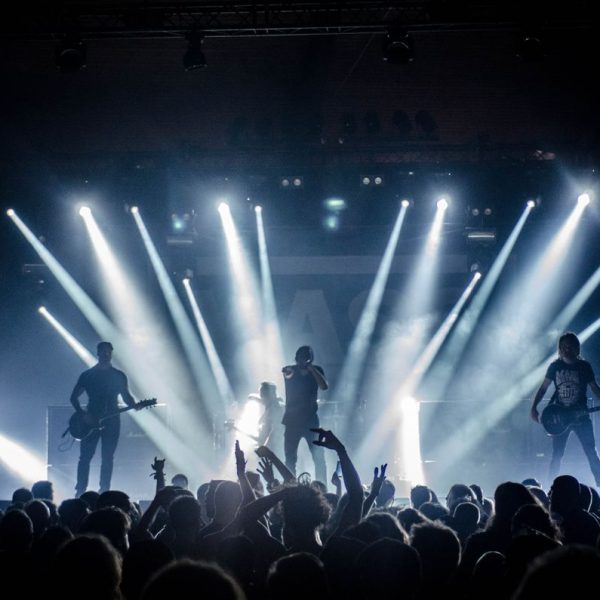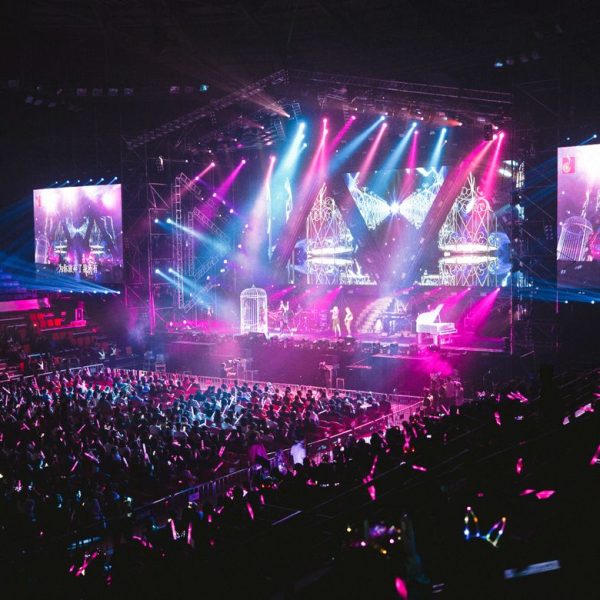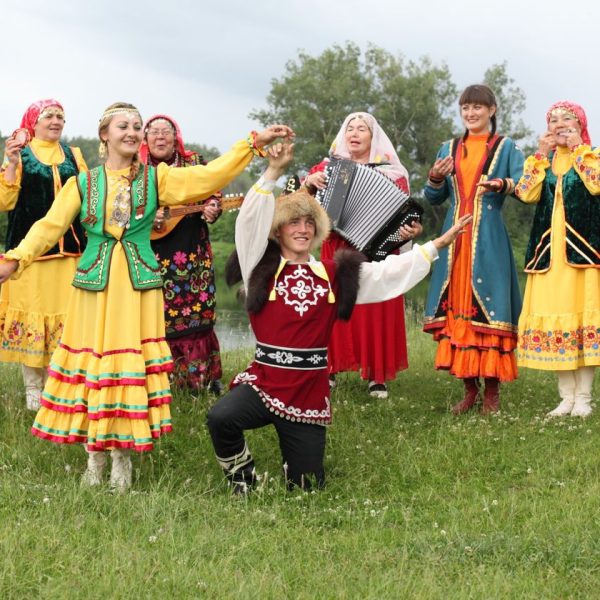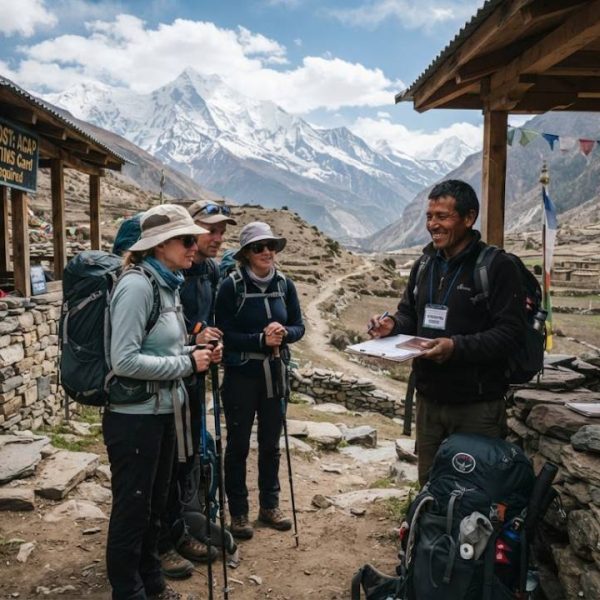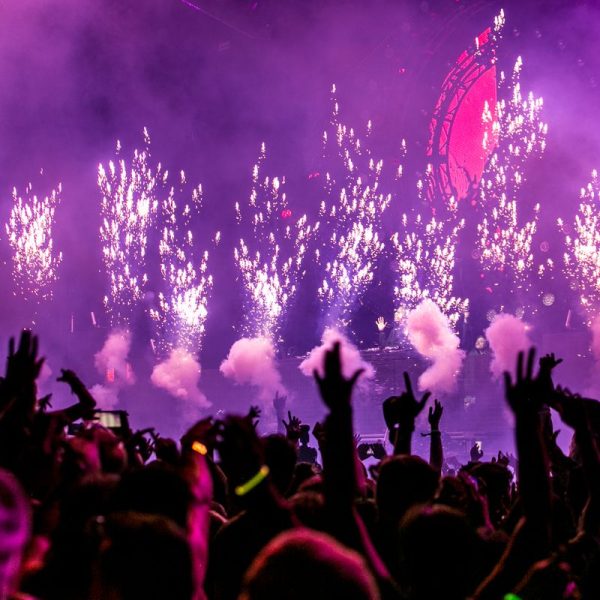
A festival volunteer stands at the entrance gate on opening night. A group of fans from Poland holds printed tickets and asks where the camping area is. The signs are all in English and the map uses local slang. The volunteer points and smiles but the group walks the wrong way and misses the first set. Nothing about the music was bad. The words were the problem.
Music festivals draw people from many countries. Fans travel for a headline act or for a small stage where a band sings in a language they grew up with. They arrive with tickets and bags and plans and they depend on clear information to enjoy their weekend.
The same is true behind the scenes. Artists come with managers and contracts and technical riders. Vendors bring permits and safety papers. Crews work long shifts with colleagues who may read another language. A small misunderstanding in any of these papers can delay a stage or cost a deposit.
Clear words are cheap compared with a cancelled slot. A festival that plans its language support early can welcome fans and artists with less stress. It does not need a large budget. It needs a short list of key documents and a team that checks each one. Even a few hours of review before the season starts can prevent a long list of small problems on the day.
This article explains how festival teams can welcome international fans and artists with clear signs and contracts and messages. It covers what to translate first and how to handle two common languages and where to find public guidance on the music business. It is written for small teams with busy schedules.
Decide Which Documents Matter Most
Start with the papers that carry risk. Artist contracts and rider lists and visa letters should come first. Safety notices and ticket terms follow. Teams that need official recognition for a contract or a permit often order sworn translation services and keep the signed statement beside the original in the file.
Next come the pages that fans read on their phones. Entry rules and map labels and transport tips need short plain sentences. Avoid slang and jokes in these texts. A visitor who has studied English for two years can follow a clear instruction but may be lost with a local phrase. Add a simple icon next to each label so that the picture carries the meaning when the words do not.
Welcome Polish Speaking Fans
Polish translation services help a festival speak to fans who prefer to read in Polish. Polish uses polite forms that people expect from an organiser and a casual English line can sound careless when copied word for word. Polish also changes word endings by grammar so a map label that names a gate or a date must use the right form.
Ask a native reader to test the tickets and the entry page before the gates open. A short list of the ten most common questions in Polish saves the volunteers many minutes each hour. Keep the answers on a card at every information point. Volunteers feel more confident when they can show a sentence instead of searching for words under pressure.
Welcome Fans Who Read Romanian
Fans who read the Romanian language may assume that it looks like Italian or Spanish and that a rough translation will do. Many words in the Romanian language come from Latin but a few have a different meaning at home. Our guide on the Maltese language guide shows how a small language can hold surprises for a newcomer. For wider data on the sector see IFPI which publishes reports on the global music business.
The Romanian language also has special letters that break on some ticket printers and on old screens. Ask for a proof at the final size and check the letters one by one. A wristband or a printed pass is a poor place to discover a missing accent on the morning of the event. Polish translation services will often catch the same problem with Polish endings. The UK Music site shares research and guidance that festival teams can use when they plan events for visitors from abroad.
Keep One Glossary for the Whole Team
Write a short glossary of festival terms before the season starts. Fix the words for gate and wristband and campsite and refund and lost property. Share it with volunteers and security and the people who run the social media account. A one page version taped to the volunteer room wall is often read more than a long file. When everyone uses the same word the message stays clear in every language.
Review the glossary after the event and add the questions that fans actually asked. A reviewer who knows the Romanian language and Polish translation services can update it once a year so that the words stay accurate and friendly for the next season.
Music crosses borders more easily than instructions do. A festival that writes clearly will help every fan find the right stage and enjoy the show.